
In an age when snapping and sharing photos is as easy as a few taps on a screen, how can a single image go beyond capturing a fleeting moment to tell a deeper story? How can a photograph invite us to consider the social and political realities behind it? These questions are central to the work of Tyrolean photographer Gregor Sailer, who recently led a three-day online workshop titled “Unseen Places – Architectural & Landscape Photography” for emerging artists from Egypt, Lebanon, Jordan, Saudi Arabia, Qatar, the United Arab Emirates, and Iraq.
Organised by the Austrian Cultural Platform for the Arab Region (ACP) — an initiative launched in 2022 at Cairo’s Kulturforum — this workshop was part of ACP’s diverse programme, offering free, hands-on training for young creatives across the Arab world. Through his work, Gregor seeks to create photographs that serve as platforms for discourse, shedding light on underrepresented issues in remote or overlooked regions. Workshop participants had the opportunity to gain insight into his rigorous approach to photography — an approach that sees architecture and landscapes as more than mere physical spaces, but as carriers of socio-political and historical meaning. During this process they also developed their own photographic works, some of which are presented below.
This article is based in part on an interview I — a Cairo-based member of the ACP team — conducted with Gregor after the workshop. Despite a busy period working on his latest project on global food security in Nairobi, Gregor generously took the time for an in-depth conversation about his working process and artistic philosophy.
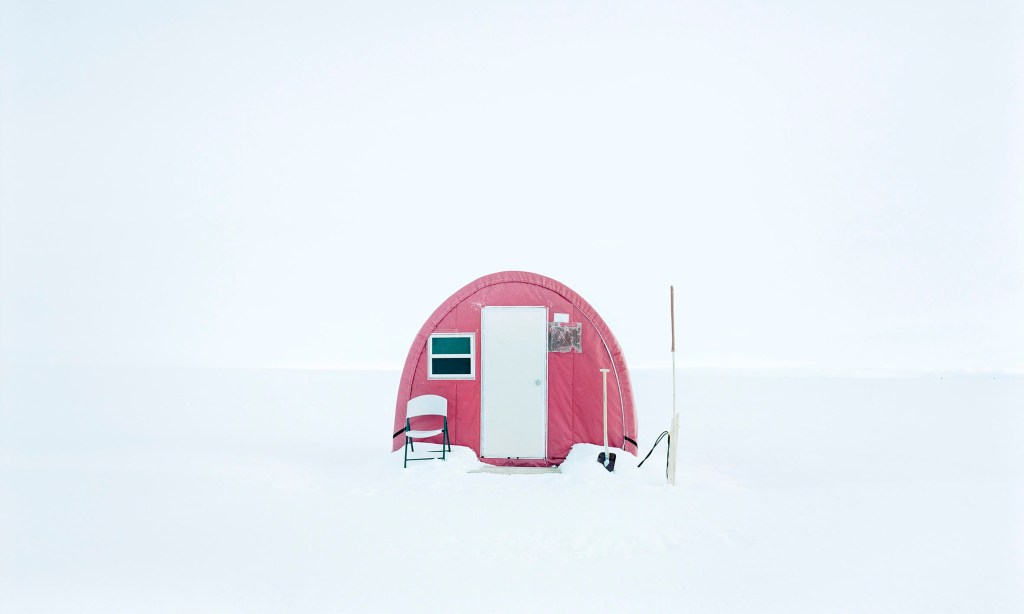
A rigorous Approach to Photography
Although he began experimenting with photography as a teenager, as Gregor says, the foundations of his work were laid during his photography studies in Dortmund in the early 2000s. Strongly influenced by German photography – particularly the Düsseldorf or Becher School – he applies a conscious approach to spatial engagement, extensive research preparation and a visual language that eschews traditional photojournalism. While his work often resembles investigative journalism in the research phase, it ultimately distances itself from conventional journalism. It is very important to him, Gregor tells me, to be autonomous and independent in both the creation and publication of his work. His projects deal with complex and socially relevant issues, often exploring subjects that have not yet been touched by the mainstream. One of his latest projects, The Polar Silk Road, for example, examines China’s growing influence in the Arctic, where economic ambitions are reshaping the melting region.
Gregor’s artistic focus differs from photojournalism in its conceptual rigour. Capturing a single image usually requires years of planning and thousands of miles of travel. With his analogue camera – heavy and resistant to the cold – Gregor documents places few would dare to visit. Whether navigating the icy extremes of the North Pole, the vast solitude of Siberia, or the wind-swept dunes of the Western Sahara, each photograph is a calculated composition in arduous conditions where temperatures can drop to minus 70 degrees Celsius. Gregor’s approach, as he mentions in the workshop, is „one shot, one opportunity“, with no room for mistakes or second chances. This dedication gives his images a surreal quality, transforming military bunkers, research stations and other remote structures into striking, almost eerie scenes that evoke a sense of the sublime and the political.
Gregor chooses his subjects on the basis of their continuing relevance and their potential for intellectual and visual depth. For him, and this is very important, he says, „a subject must be current but not over-explored, leaving room for new insights“. His commitment involves parallel thematic and geographical research, often over several years. Although he deals with deeply human issues, he avoids portraying people directly. „How to represent the unrepresentable?“ is a profound question in his work. With his images he aims to evoke emotions without depicting people, allowing the structures and landscapes to speak for themselves. Looking at Gregor’s photographs, one can see the reduced visual means he uses to capture these structures in a way that highlights not only their physical forms, but also the narratives they carry.

For Gregor, buildings and landscapes are never just physical spaces. They reflect the histories and tensions of the societies that construct, inhabit, or abandon them. His Potemkin Village series, for example, examines replica towns used for military training or propaganda, from Chinese copycat cities that mimic European architecture to “mock towns” designed for training exercises. Such projects explore themes of illusion and facade, blurring the boundaries between reality and representation. One of his most recent series, The Polar Silk Road, reveals the economic ambitions behind the melting Arctic, where China’s influence is evident in burgeoning infrastructure and trade routes.
While he enjoys the adventure and especially the challenge of leaving his comfort zone, Gregor says, his aim is to raise awareness of overlooked issues that affect us all. He wants his photographs — shown in exhibitions and published as monographs — to serve as a platform for dialogue and to spark conversations with a wider audience beyond the art world. Despite appearing to be a “lone-fighter”, a term Gregor drops in the conversation, the process behind his work is highly collaborative and meticulously detailed. Each project involves years of preparation, including obtaining the necessary permits — an obstacle that has derailed some of his ideas. Flexibility is key, says Gregor, as the realities on the ground often differ from the vision he initially has in mind. To give his themes the depth they need, he collaborates with experts in fields as diverse as urban planning, social and political science, and climate research, who contribute accompanying texts to the publications. Carefully designed maps are an important feature of Gregor’s books and exhibitions, helping the viewer to grasp the geographical and thematic connections.
Last but not least, Gregor’s dedication to the analogue format underscores his commitment to what might be called authenticity. He avoids digital manipulation, apart from minimal cropping to ensure perfect framing, believing that each photograph should stand as a record of what he has observed.
„Analogue photography makes me more conscious, each image carefully considered and free from the convenience of digital retakes“,
he explains. Using long exposures – often up to an hour – Gregor’s photographs capture light and shadow in a way that the human eye cannot, enhancing the surreal atmosphere of his chosen locations.

„Unseen Places“ – a workshop with worth seeing results
The workshop “Unseen Places” offered emerging photographers from the Arab world the opportunity to engage with Gregor’s specific methodological approach and receive feedback on their own projects. Emphasising the importance of concept and careful composition, Gregor encouraged participants to think critically about their own visual narratives. His preference for central perspective, strict linearity and a palette of soft, diffused light became a focal point, helping participants to explore how they could frame their own stories with greater clarity and impact. „Every photograph should serve the larger story,“ Gregor advised, urging participants to get close to their subject and consider its significance in the wider context.
The workshop was attended by a diverse group of people, each bringing their individual and artistic perspectives to the programme. Over three days, Gregor guided them in exploring their personal narratives while providing technical and conceptual tools to refine their work. The projects reflected a wide range of themes, from personal memories to socio-political realities.
Among the participants were Ahmed Adel, a Cairo-based artist who combines poetry and photography to explore themes of love, survival and homeland. Farah Al Makita from Jordan focused on childhood nostalgia, capturing architectural spaces linked to personal memories, while Hanan Mamoun, a scenographer from Cairo, explored the role of water in the architecture of Islamic Cairo, focusing on fountains, mosques and sabils. Uthra Varghese, an architect from the United Arab Emirates, documented abandoned Norwegian settlements reclaimed by nature, reflecting on environmental impact and loneliness. Lorielaine Santos from the UAE deconstructed the narrative of Dubai’s rapid development by photographing the unfinished site of Palm Jebel Ali, revealing stories of urban failure. Ahura Jaff from Kurdistan, Iraq, turned his lens on abandoned buildings, capturing their silent histories. Ibrahim Kourdi, an engineer from Beirut, documented overlooked corners of the city, providing a visual record of its transformation amidst ongoing conflict. Rana Hafez, an architect from Alexandria, fused architecture and social narrative by photographing scenes on the city’s tram system, using reflections to explore the urban landscape.
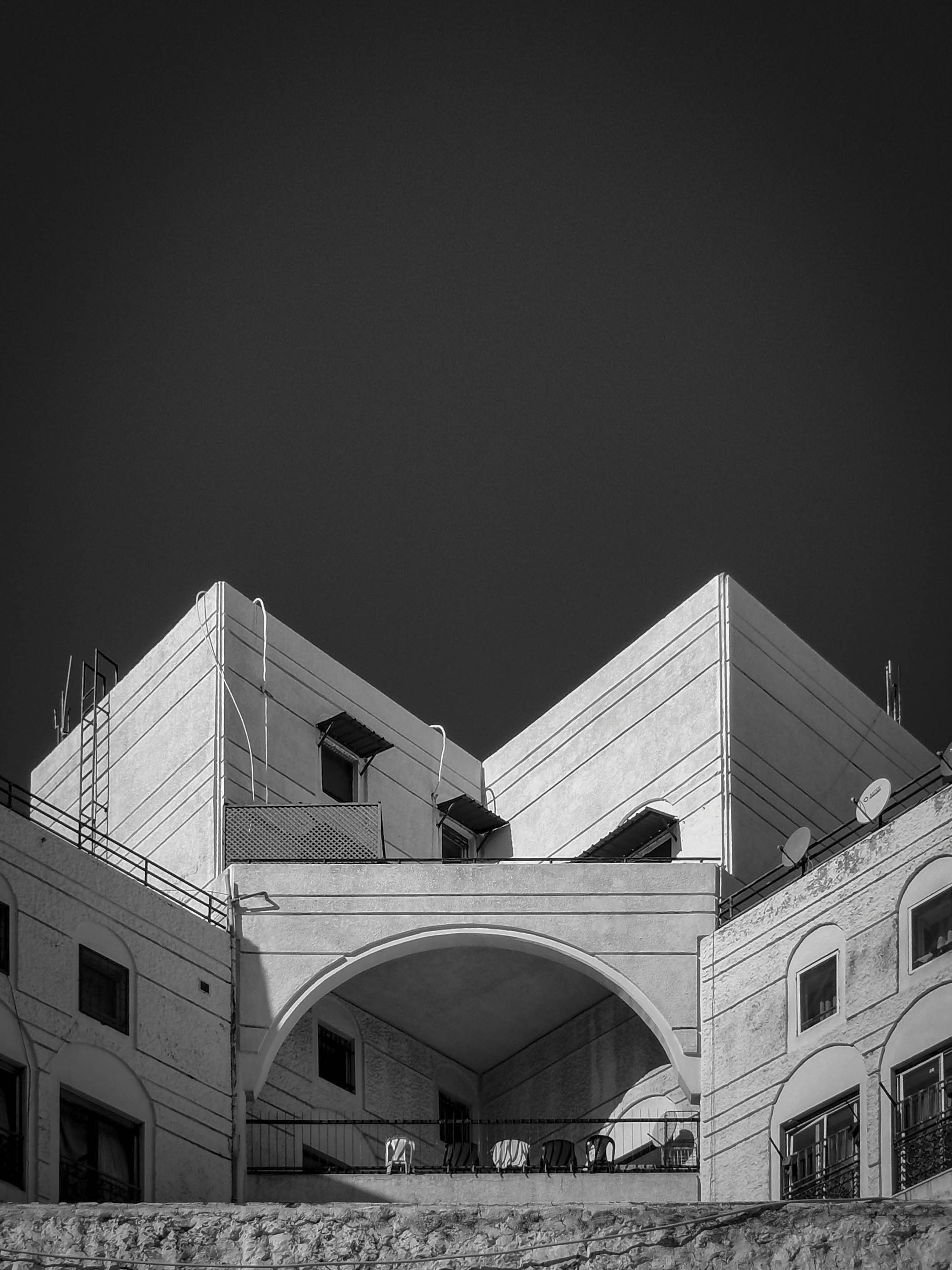
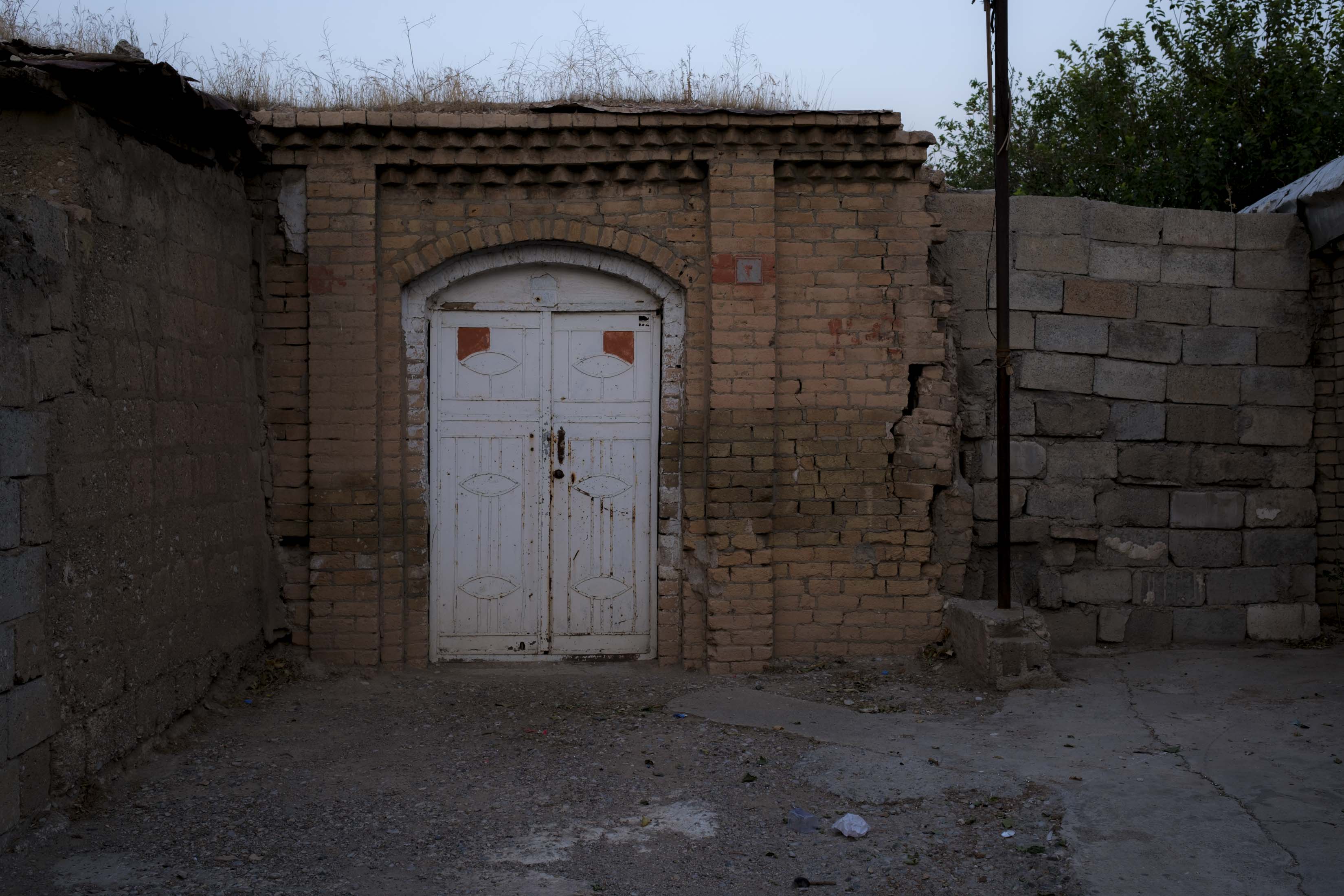


results by the workshop participants | photos: Farah Al Makita, Auhura Jeff, Hanan Mamoun, Uthra Varghese, Lorielaine Santos, Rana Hafez, and Ibrahim Kourdi
Reflecting on the workshop, Gregor was impressed by the participants‘ commitment to their projects. He noted the fruitfulness of bringing together people from different regional contexts to explore common themes through their unique lenses: „It was impressive to see how seriously the participants engaged with the content and how they translated it into their own work,“ he said. Gregor was particularly impressed by the resilience and creativity of participants, including those from conflict-affected areas such as Beirut. He emphasised the importance of perseverance in photography:
„You need extreme determination, a thick skin and above all consistency, especially when projects take years to complete.There will always be moments of doubt, but you have to stand behind your work.“
For the young photographers, Gregor’s advice was clear: stay authentic, dive deep into your subject and avoid skimming the surface. He encouraged them to engage in dialogue with others to gain fresh perspectives on their projects.
As the workshop drew to a close, Gregor expressed his desire to follow the progress of the participants, eager to see how their projects develop. „It’s fascinating to see the beginnings of their work,“ he said, „and I’m also curious to see the end results.“ Gregor’s commitment to meaningful storytelling, combined with a patient and rigorous process, has provided a blueprint for the young artists. Having been exposed to, and hopefully inspired by, Gregor’s artistic and technical process, we look forward to seeing what emerges from their own projects of revealing the unseen.
| Alina Brandstätter
 komplex-KULTURMAGAZIN