
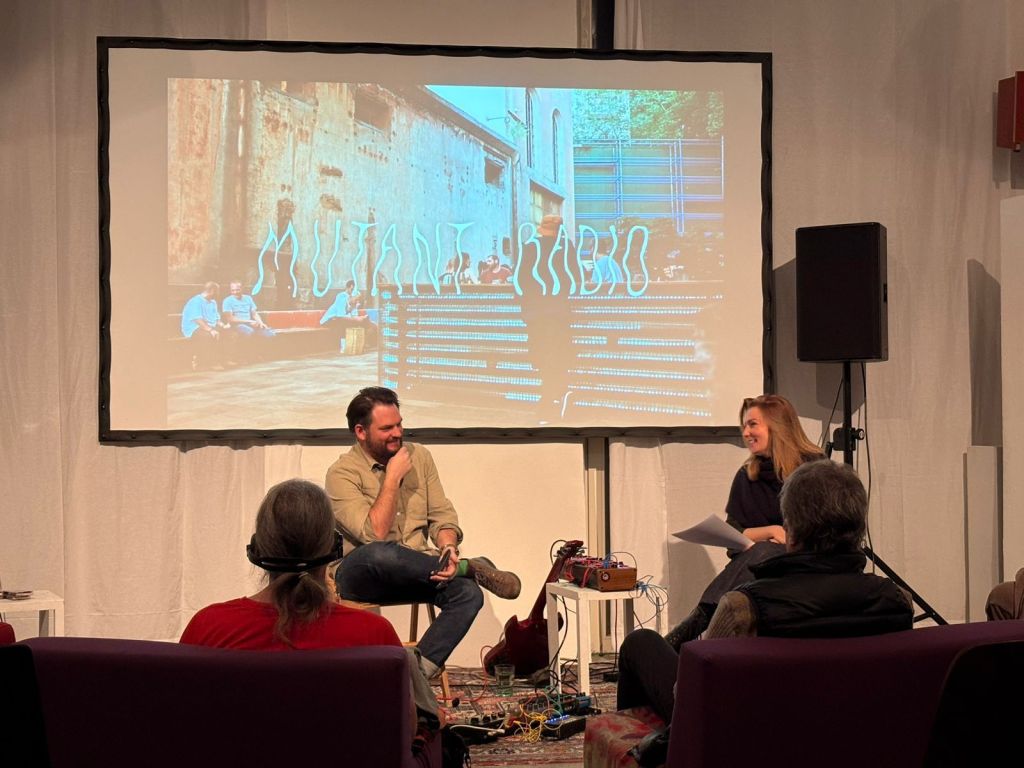
Around a month ago, together with two other members of the komplex team, I visited Openspace Innsbruck for an evening with musician and ethnomusicologist Ben Wheeler. I was particularly curious about the event because the invited guest is based in Tbilisi — a city I was about to visit for the first time just a few weeks later. So, it felt like a good opportunity to learn something about the local music scene and cultural context before travelling there myself.
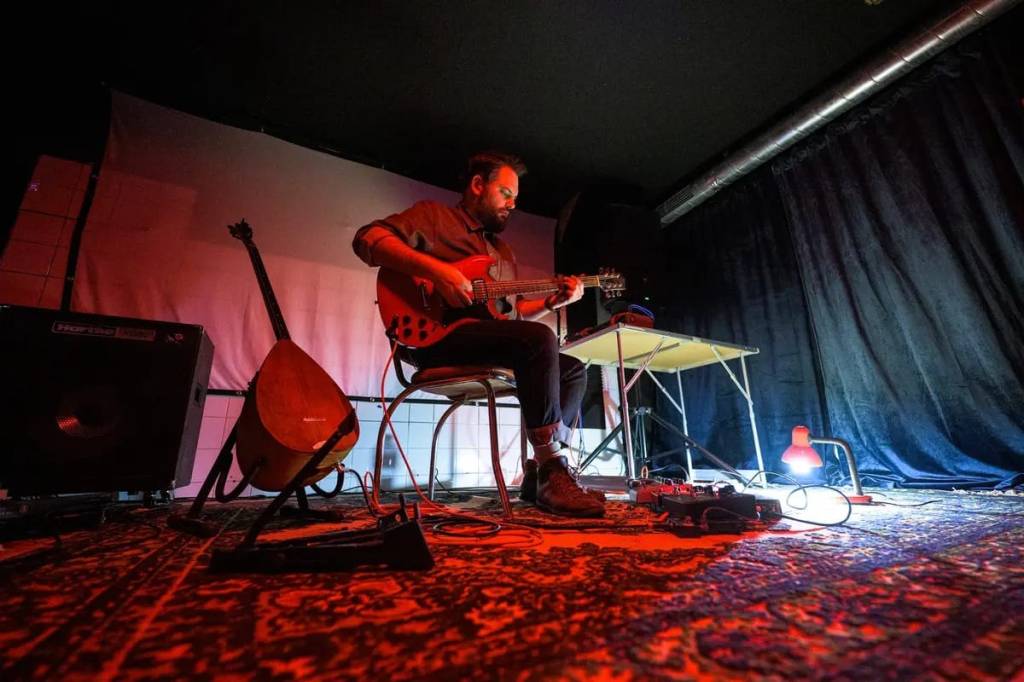
Based in Tbilisi, Ben is a resident at Mutant Radio, co-founder of the archival initiative Mountains of Tongues, and an active member of Georgia’s independent music scene. During the event — which combined a talk, a workshop and a short live performance —, he spoke about his research project dedicated to documenting lesser-known musical traditions of the Caucasus. The evening ended with a short live-performance that offered a glimpse into his new album Bneleti (released by Inverted Spectrum Records).
A bit of context…
The event was hosted by SLASH TRANSITION — a Creative Europe program that supports emerging sound artists and explores how experimental sound can engage with cities undergoing social, economic and ecological change. In the conversation between the musician and curator Danijela Oberhofer Tonković — who has been building and maintaining connections with the cultural scene in Tbilisi through her work for several years — we gained some insights into the Georgian music scene and the relationship between Innsbruck and Tbilisi, which, as Danijela mentioned in her introduction, are also official partner cities.
SLASH is not the only project linking Innsbruck and Tbilisi. Through the Creative Europe platform Magic Carpets, Openspace Innsbruck has already collaborated with institutions in Georgia. In 2021, Innsbruck based photographer Carmen Brucic spent time in Tbilisi as an artist in residence at the Tbilisi Photo Festival. Her project Private Stages / Private Selves portrayed artists from the community around Bassiani, one of the best known techno clubs in the city. Earlier, in 2019, artist David Prieth worked with the Center of Contemporary Art Tbilisi through the same network.
Familiar faces in an unfamiliar city
In the beginning of March, within the framework of Magic Carpets’ Emerging Curators Capacity Building Programme (hosted by Tbilisi Photography & Multimedia Museum), Danijela and I travelled to Tbilisi for the first time. I felt lucky that, even in this unfamiliar city, I was able to meet several people I already knew through my work in the cultural field. Even though I sometimes find myself questioning the purpose of working in culture, moments like these remind me why it matters: it creates relationships between people and across borders.
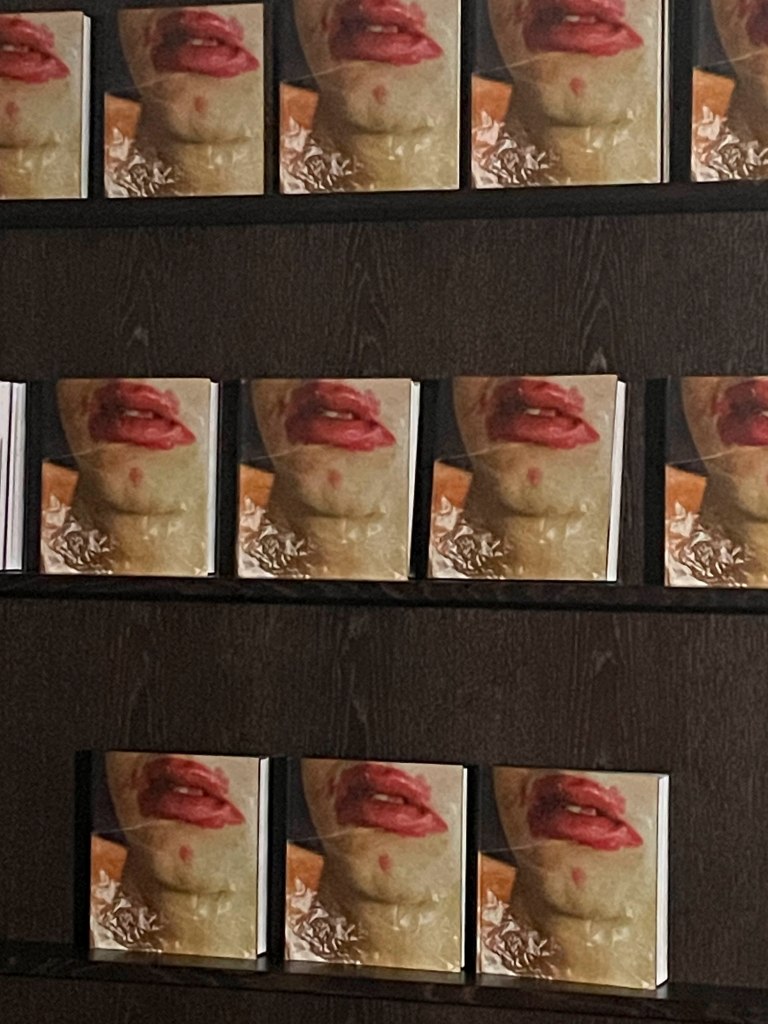
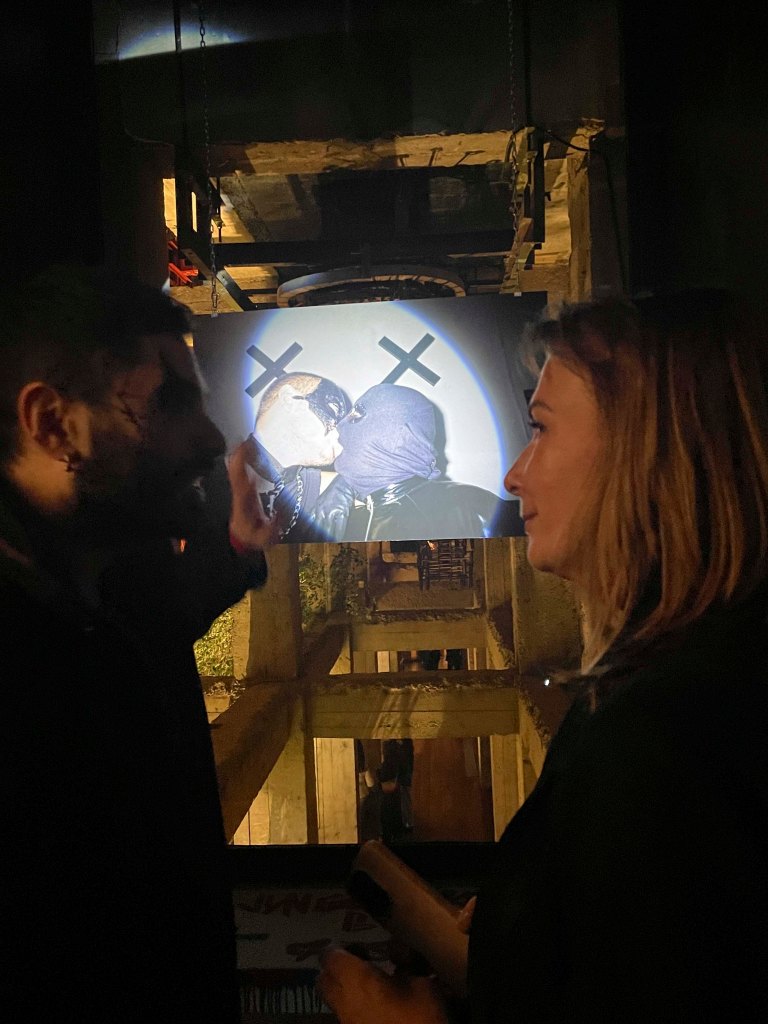
There were several moments in Tbilisi when these connections became obvious to us — and also felt in an emotional way. One such moment was the book presentation Twinkling Nights of photographer Omar Gogichaishvili at Chaos Concept Store. Created in collaboration with Indigo Magazine and Creative Collective Spectrum, the book documents the queer and LGBTQI+ community around Bassiani. Gogichaishvili — who works under the pseudonym Hitori Ni — was also part of Carmen Brucic’s earlier project in Tbilisi and had previously visited Innsbruck together with other queer performers during the Heart of Noise Festival in 2022. Seeing familiar faces again in a different city reminded us that cultural exchange projects often grow into something more lasting: friendships and collaborations that continue for years, connecting people and scenes far beyond the original context. In this sense, cultural work is a lot about building alliances that remain over time.
Also Ben put it in a similar way at Openspace Innsbruck:
“I think the takeaway for me is just — and it sounds very simple — networks. Even though I think ‘networking’ is a really annoying term. But networks are good. If you know where you can go and who you can work with, it’s not about careers or trying to get a big deal or a grant. It’s about connecting and collaborating. The stronger the networks we have, the more relationships we build, the better chance we have of surviving this period.”
Especially in uncertain times — like the ones we are living in now — such networks seem more valuable than ever. No one knows where it will remain possible to live and work safely in the future, where we will still be able to express ourselves and our opinions freely, or where people might suddenly have to leave. In such situations, having stable connections around the world can become a form of solidarity and trust. They create places where artists can continue working, offer residencies or temporary homes, and provide support through shared understanding — even across languages and cultures.
From radio waves to physical encounters
One of the places where such connections come together in Tbilisi is Mutant Radio. More than a radio station, Mutant Radio has developed into an important meeting point for the city’s independent music and art scene. The space itself reflects the layered history of the city. It is located inside a former Soviet industrial structure, one of many older buildings in Tbilisi that are now reused by artists and cultural initiatives. The project started small — initially as a mobile wagon for DJs and radio broadcasts. Over time it expanded into a larger space with a bar, a performance area and a garden where concerts and community events take place.
Like many independent cultural spaces in Tbilisi, however, its future remains uncertain. The building is privately owned and, according to Ben, several properties in the surrounding area — home to a cluster of independent clubs and venues — were recently sold to investors with close ties to the government, who plan to redevelop the land for hotels. For now, Mutant Radio continues to operate on the edge of this transformation, without knowing how long the space will remain available.
In response to this fragile situation, the collective relies on a mix of grassroots organisation, DIY programming and international collaboration. Alongside locally organised concerts and workshops, Mutant Radio also participates in European cultural projects such as SLASH TRANSITION (in 2024, Mutant Radio nominated Georgian artist Giorgi Koberidze for a residency in Innsbruck). At the same time, the radio maintains connections with a wider network of independent web radios and cultural spaces across Europe. Through this exchange of artists, programmes and ideas, Mutant Radio has also recently expanded with a partner space in Berlin.
While we were in Tbilisi for the Magic Carpets meeting, Ben was touring across Europe for his new album. By coincidence, our stay in Georgia ended on the same evening as the final concert of his tour — a homecoming performance at Mutant Radio.
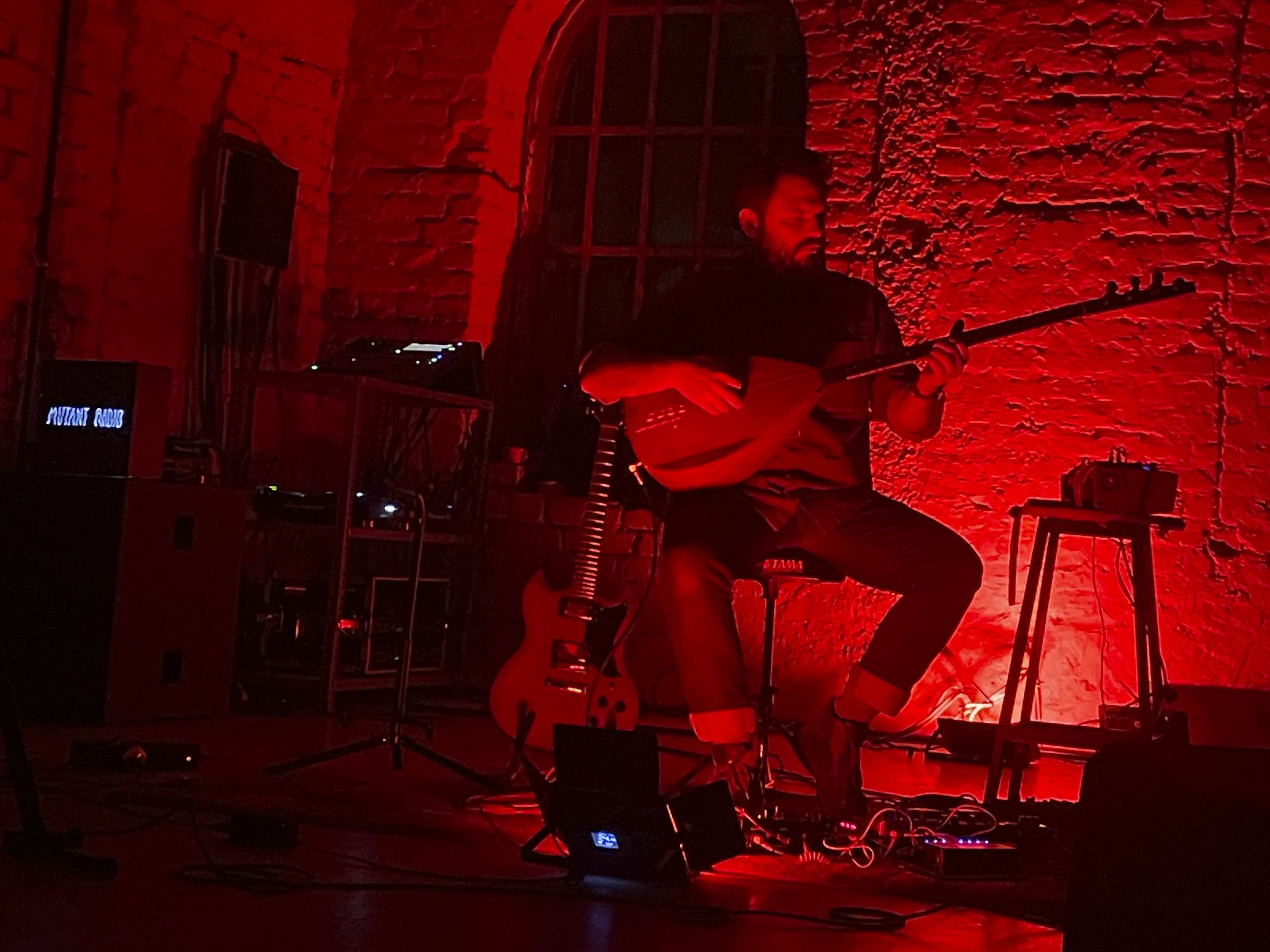
In his music, Ben combines Georgian polyphony with elements from Azerbaijani guitar traditions and darker sounds from experimental and underground scenes in the US, where he grew up. Bneleti — a term in archaic Georgian referring to a mythical “Land of Darkness” — brings these influences together in an experimental electronic composition with elements of hardcore and black metal. During the live performance, he switched between instruments like guitar, saz and modular synthesizers. As listeners, we found ourselves in meditative soundscapes that carried us into a trance-like state.
The evening also included a performance by Ashiq Nargile. After the concert, Ben told us that she had been his teacher for many years. For him, it seemed like a special moment that she opened the evening. Born in the Kvemo Kartli/Borçalı region in southern Georgia, she represents the tradition of travelling ashiq musicians — storytellers and performers who historically moved between cities and villages of the Caucasus, sharing music and stories across cultures.
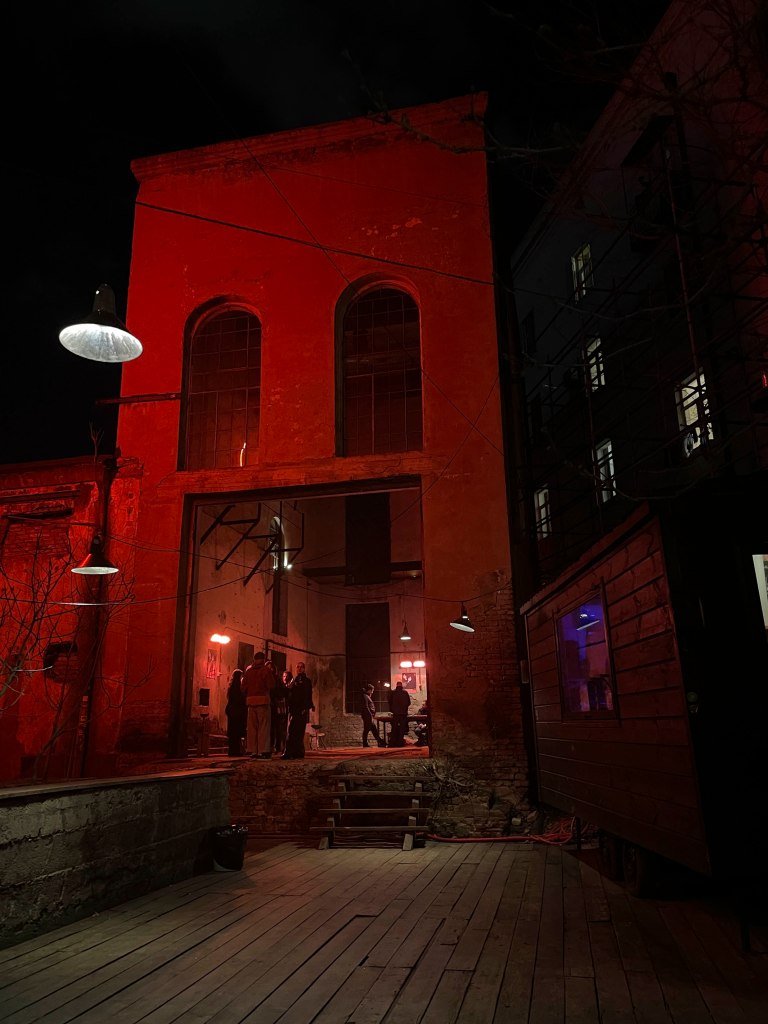
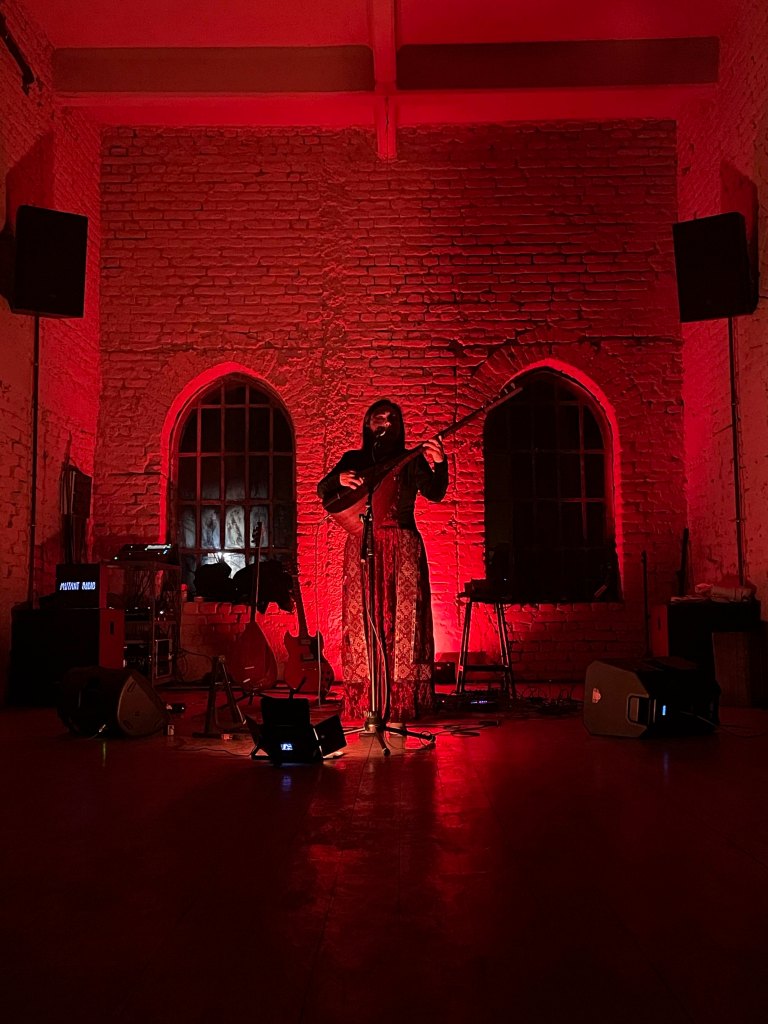
In that moment, the concert also felt like a small circle closing: A few weeks earlier, we had encountered the first evening of Ben’s tour in Innsbruck. Now we were listening again to his final concert — this time in Tbilisi.
…when I reread this introduction after writing it, the text felt a bit rhizomatic. Starting from a single event with Ben Wheeler in Innsbruck, other connections, projects and stories appear along the way. In the end, it returns again to another event with Ben. Even though these moments may not seem directly related at first, this circular structure somehow reflects the networks I wrote about: relationships that grow over time and connect places and people, sometimes in unexpected ways.
Between these two cities, Ben Wheeler answered some of my questions via email while travelling across Europe:
Mountains of Tongues is dedicated to researching and promoting lesser-known music from the Caucasus. What motivated you to start this project?
I co-founded Mountains of Tongues with my friend and colleague Stefan Williamson Fa back in 2012. We were both living in Georgia and interested in local music, and had heard about a community of Azerbaijani bards from the Southeast of the country, about two hours south of the capital Tbilisi. We visited, made introductions, and spent a day making field recordings of the musicians. The experience became the foundation of the project; we realized there was very limited support for the musical communities that fell outside of the boundaries of “national music”, i.e. the music of ethnic Georgians in Georgia, Azerbaijanis in Azerbaijan, etc. and that the conflation of nation borders with musical traditions was an imperfect reflection of the truly regional nature of musical circulation within the South Caucasus. This motivated us to travel between the three countries focusing on the music of ethnic, religious, and linguistic minority music communities, and frame the project as an expression of musical “dialects” of the region. Our first release, the album “Mountains of Tongues: Musical Dialects of the Caucasus”, featured 19 recordings from all over Georgia, Armenia, and Azerbaijan.
How do you carry out this research in practice? How do you find the musicians and communities you work with, and how do you establish relationships and trust?
We started quite blind, as in the beginning we hadn’t developed any kind of network and there were very few resources for contacting musicians. If we heard there was a community living somewhere in the region that may have lesser known musical practices, we would simply go there and ask around. This was a surprisingly successful practice, thanks in part to a very strong culture of hospitality that spans all of the South Caucasus; so many locals helped us to meet musicians, find places to sleep, and served us copious amounts of food and wine. As time went on, we made real connections and friendships with musicians from these communities that we are still working with to this day, and our practices have expanded from field recording to more logistical and educational initiatives, promoting artists on tour or including them in workshops and lectures.
To what extent do you see preserving folk music as a political act, particularly in the context of post-Soviet states?
Music is political. There is no “apolitical” music. Music known as “folk” anywhere in the world is an expression of a variety of identities: personal, communal, regional, national – the list goes on! And I think our scope, to record music from communities we believed were not receiving the same support as others, was of course contentious to some. But one of the interesting things about music is that it is often underestimated or even disregarded as a serious form of political expression, or the nature of the art can obscure and protect different meanings, allowing many themes and opinions to hide in plain sight. I think it’s important to acknowledge that “tradition” around the globe is often hijacked by nationalist, right-leaning elements and weaponized. In this way, it is indeed political to preserve folk music by presenting it and supporting it in ways that run counter, that serve as opposing examples of the relevance and validity of sonic traditions.
Your work involves researching and engaging with folk music from the Caucasus, including regions of Georgia, Armenia, and Azerbaijan, which have experienced recent conflicts. Do you see your projects and research as a way of building bridges between these cultures, or do you think that labeling music by ethnicity or nationality (e.g., “Azerbaijani music”) risks reinforcing separations rather than connections?
Unfortunately, I think the emphasis sometimes placed on music as a form of “bridge building” between warring communities or two sides of a conflict is a perverse oversimplification and an ineffective strategy. If you enjoy or play the same music as me, but actively support political elements that want my community ethnically cleansed, it doesn’t make me any more likely to enjoy your company. When it comes to labeling music, I think it’s important you ask the musicians how they would like to be referred to. Maybe they literally want their music to reinforce separation! And they are within their rights to do so. I do think we have tried to provide alternative labels, such as the use of the term “music dialects,” and the regional framing of the project does offer some sort of alternative to the otherwise nation-based categorizations that are still the most popular when presenting traditions.
Is there a particular recording, discovery, or publication that has touched you personally or that you are especially proud of?
I think our work with an Armenian musician named Sergo Kamalov was a particularly special moment for me: he really epitomized this culture of being South Caucasian, performing Georgian, Armenian, Azerbaijani songs on tar, kemenche, and other instruments, leading the Sayat Nova Folk Ensemble in the late Soviet period, and playing in his son’s hair metal band Mtsiry in the late 80s and 90s. Such an incredible, well rounded musician that I really aspire to emulate in my own work as a performer and researcher. He passed away almost 10 years ago and I hope he would have appreciated the impact he has made on me and many others through his music.
What strategies do you use to ensure your work with traditional music remains ethical and respectful?
It’s not a simple question and I don’t want to give a simple answer, but I do think that communication is such a critical aspect of the entire process. Speak with the musicians that you are learning from, ask them questions about their own opinions in regard to agency, authorship, and proper use. In one instance, I used field recordings I had made in one of my performances, and after the concert spoke with one of the musicians involved who had been in the audience. He told me he didn’t like that I had used one particular recording, because he thought the context was inappropriate. I haven’t used the recording in my own work since, but spent years analyzing it as part of my Musicology Master’s thesis, a context the performer was perfectly happy with.
During the discussion at Openspace Innsbruck, the term “cultural appropriation” came up. Coming from a Western background but living and working in Georgia for more than a decade, how do you view the current discourse around cultural appropriation? And how do you approach this issue?
It’s oversimplified in some cases, and the notion of intersectionality, beyond the binary and problematic frameworks of East and West, is really the only valid way to approach it. Class, ethnicity, geography, linguistics: these are all factors when it comes to understanding/ identifying instances of appropriation. It’s similar to my answer above, but I believe engagement with the communities you are influenced by, and conversations with the practitioners of said musical practices, is the most effective and straightforward way to understand appropriation: maybe just ask them what they think! And if you have no one to ask, what does that say about your approach? Why don’t you have anyone to ask? Maybe go out there and meet some of the performers of this music, whether in person or online. Get in touch. Support them and their work. Then already you have made steps towards a less appropriate approach that should benefit you both.
You are active in the Tbilisi scene and with Mutant Radio. What role does independent radio play during times of political tension and societal change in Georgia, and how does it support the local underground scene?
Mutant is a very special place, but also part of a wider network of spaces across the country that are doing their part to provide a safe environment for artistic expression and supportive, community organization during a time of an unprecedented authoritarian shift; things have been bad before, but the rate at which they have devolved, and the myriad of strategies implemented by the regime (who have now made it a punishable crime to call them illegitimate, ((something legitimate governments rarely tend to do)) is something few countries around the world have experienced. The scene brings people together, provides a space for discussion and organization, and honestly, provides joy and distraction in healthy, necessary doses. Mutant Radio exists as a physical and digital space within a larger global network of independent radios, and this also helps to provide a sense of a wider community and to connect musicians with global, like-minded individuals and venues.
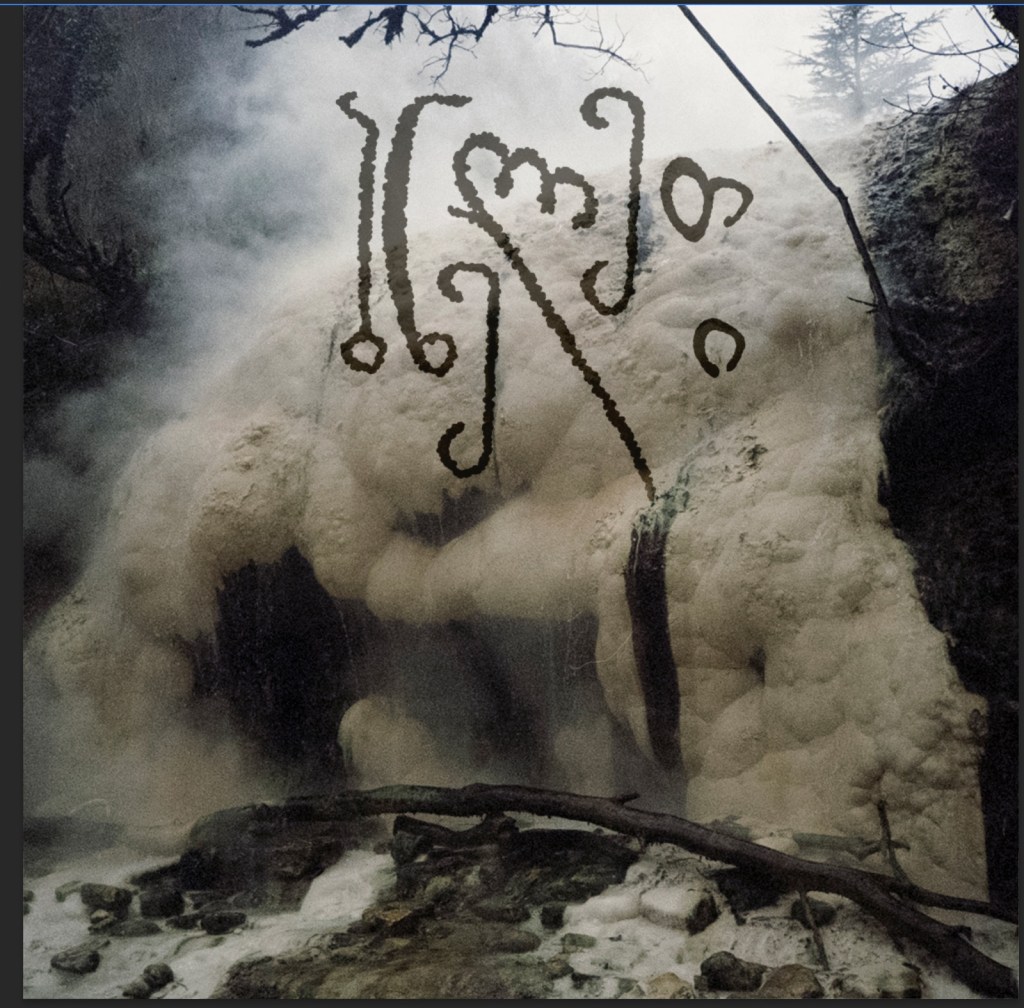
Your new album under the name Bneleti combines elements of black metal, ambient, folk, and experimental synthesis. How do traditional Caucasian elements enter your compositions without being simply quoted?
I’m heavily influenced by the underlying structures of the many musical traditions across the Caucasus with which I have worked for over a decade. Harmonies, melodies, and techniques make their way into my individual musical vocabulary in ways that are both intentional and unconscious. This is my strategy for making original music; leaning into these influences but in ways that are hopefully unexpected and appealing to audiences. That means I will most likely not do “covers” of melodies or songs from the Caucasus, but find other elements from the same traditions that I feel work well in the context of Bneleti. A bassline, a right-hand plucking technique, a particular tone or texture: I’ve worked them into the music alongside other influences from the Pacific Northwest where I grew up.
While electronic music and techno are widely discussed in Georgia, how would you describe the scene for black metal and dark ambient music?
The scene is quite limited I have to say; we have one quite famous black metal band called Psychonaut 4, but even in their case I would say they tend to have larger and more enthusiastic audiences outside of the country. But one larger trend, thanks to the popularity of electronic music and techno in the country, is that there is a larger infrastructure for music spaces – they may have been originally intended for that scene but the musical scope and conceptual boundaries are expanding. Mutant Radio is a great example: you never know exactly what to expect in terms of genre and performers there on a typical weekend, but you can be sure it is something interesting and well curated. This to me is more promising than a dedicated black metal/dark ambient/industrial scene.
After more than a decade in Georgia, how has the region shaped you musically, culturally, and personally? And looking ahead, do you see yourself continuing to live and work there long-term, and are there new projects or areas of research you are particularly excited to explore in the coming years?
I’m very happy to consider Tbilisi my home and want nothing more than to stay here for as long as I can. The current political situation does present a lot of challenges but I am hoping they can be overcome. But there are other parts of the world I am really interested in living in for some period; at the moment I’ve been visiting and making some connections in Southern Vietnam, where there is a local guitar tradition I’d like to learn. I’ve had a local luthier make me a guitar and am trying to do online lessons until I can return there!
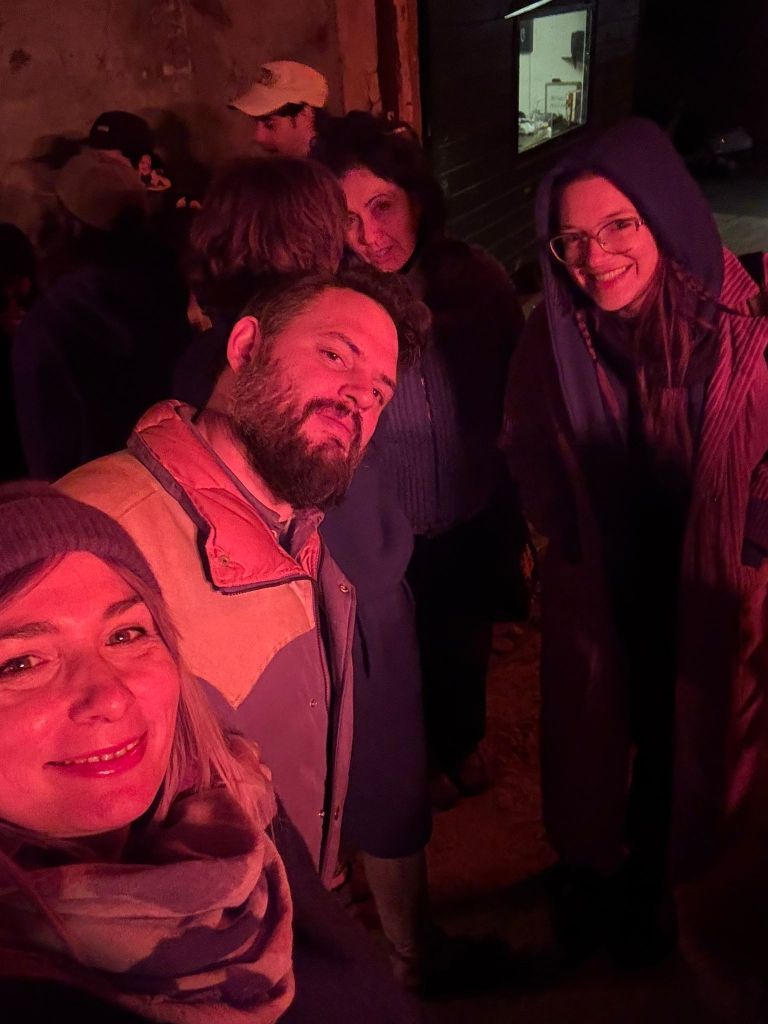
| Brigitte Egger
A list of recommended places we loved in Tbilisi:
 komplex-KULTURMAGAZIN